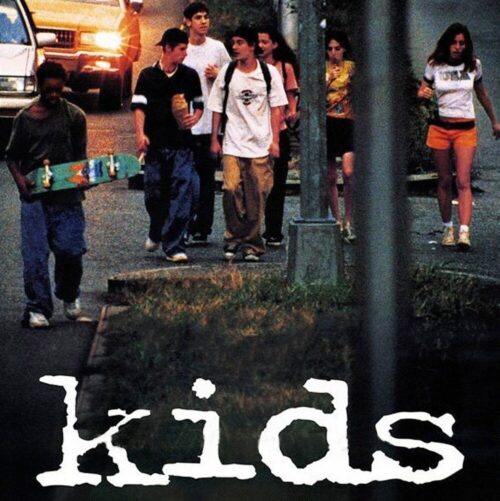
In the mid-90s, few films rattled audiences quite like Kids. Directed by Larry Clark and written by Harmony Korine, the movie became synonymous with controversy. Critics lambasted its raw depictions of teenage debauchery, with many calling it “gross,” “immoral,” and “unfit for anyone, especially teenagers.”
Yet, over time, these criticisms have overshadowed the film’s purpose. To dismiss Kids as merely exploitative is to ignore its deeper intent as a cautionary tale about abuse, consent, socioeconomic struggle, and the devastating realities of the HIV/AIDS epidemic. This is not a movie meant to glorify; it’s meant to shock you awake.
Let’s break down what Kids is really about, why it was so shocking, and how its themes remain relevant today.
The Context of the 1990s
To understand Kids, we need to revisit the cultural and social environment of the mid-90s.
HIV/AIDS: A Death Sentence
In the 90s, the world was still grappling with the HIV/AIDS epidemic. Treatments like antiretroviral therapy were either in their infancy or inaccessible to many. For a young person, a diagnosis often meant a death sentence.
Kids reflects this fear through Jennie’s storyline. She learns she’s HIV positive after a single sexual encounter, contrasting with Telly, the film’s protagonist, who is unknowingly spreading the virus. The movie highlights the ignorance and recklessness that perpetuated the epidemic, particularly among youth.
Consent and Abuse Were Taboo Topics
Discussions around consent, abuse, and predatory behavior were far less prevalent than today. Telly’s relentless pursuit of virgins—justifying it as harmless sexual exploration—serves as a chilling reminder of how normalized predatory behavior can be in unchecked environments.
Socioeconomic Struggles
The kids in the movie navigate a gritty urban landscape shaped by poverty, neglect, and limited opportunity. With little parental oversight or access to education about safe practices, their destructive behavior becomes a grim inevitability.
The Purpose of Shock Value
Let’s address the elephant in the room: Kids is hard to watch. It’s vulgar, explicit, and deeply uncomfortable. But that’s the point.
The film’s shock value isn’t gratuitous—it’s intentional. Each unsettling scene forces us to confront issues we’d rather ignore. Watching Telly prey on vulnerable girls, seeing drug-fueled violence, or experiencing Jennie’s panic after her diagnosis isn’t supposed to entertain; it’s meant to disturb.
This discomfort is a call to action, compelling viewers to think critically about what they’re seeing. In this way, Kids functions much like other cautionary tales, such as Requiem for a Dream. Both films use stark realism to hammer home their messages: This could be your reality if you’re not careful.
Breaking Down the Key Themes
- Abuse and Consent
Telly’s character is a case study in predatory behavior. He targets young, inexperienced girls, manipulating them under the guise of “teaching” them. The film doesn’t celebrate his actions—it condemns them by showing their devastating consequences. - HIV/AIDS Awareness
Jennie’s storyline is heartbreaking. She embodies the silent victims of the epidemic, highlighting how a single mistake could alter—or end—your life. Her desperation to warn others contrasts sharply with the obliviousness of her peers, making her plight all the more tragic. - Socioeconomic Struggles
Poverty isn’t explicitly discussed in the film, but it looms over everything. The lack of parental guidance, education, and opportunity shapes the characters’ lives. They roam aimlessly, seeking thrills in destructive ways because they don’t have access to better alternatives. - Friendship and Peer Pressure
The group dynamic is toxic, with peer pressure driving many of the kids’ worst decisions. This underscores the importance of mentorship and healthy social circles—neither of which are present in these kids’ lives.
Why Teenagers Should Watch This Movie (With Guidance)
The knee-jerk reaction to Kids is often to shield teenagers from it. It’s graphic, after all, and no parent wants their child exposed to such behavior.
But that’s precisely why teenagers should see it—under proper guidance.
Kids is a conversation starter. It opens the door to discussions about:
- Recognizing abusive and predatory behavior.
- Understanding consent and boundaries.
- Practicing safe sex and protecting oneself.
- How socioeconomic factors shape choices and outcomes.
The key is context. A teenager watching this movie alone might only see the shocking surface, but with guidance, they can learn the lessons embedded within.
Misinterpretations in Modern Takes
Many modern critiques of Kids focus on its explicit nature, dismissing it as nothing more than “shock for shock’s sake.” But this oversimplifies the film’s intent.
By fixating on its vulgarity, critics overlook the societal issues it aims to address. The irony is that in dismissing the film, we risk ignoring the very problems it seeks to expose: the prevalence of abuse, the dangers of ignorance, and the consequences of neglect.
The Legacy of Kids
Nearly three decades after its release, Kids remains as divisive as ever. But its rawness is precisely what gives it staying power.
It’s a cautionary tale about what happens when society fails its youth. When education, guidance, and resources are absent, kids like these fall through the cracks.
Final Thoughts
To call Kids an immoral or disgusting movie is to miss the point entirely. Yes, it’s uncomfortable. Yes, it’s shocking. But that’s what makes it powerful.
Rather than sweeping it under the rug, we should be using it as a tool for education and awareness. Because while the world has changed since 1995, many of the issues Kids highlights—abuse, consent, poverty, and public health—are still with us today.
So, before dismissing it outright, watch Kids with fresh eyes. Let it challenge you, disturb you, and make you think. After all, that’s what great art is supposed to do.
What do you think? Is Kids still relevant today? Share your thoughts below.
 CharlesRamosOfficial.com
Leave a comment