The pro wrestling industry is in a constant state of flux. Promotions rise and fall, new platforms emerge, and opportunities that didn’t exist yesterday are suddenly everywhere today. Independent wrestlers are always hustling, looking for the next payday that can help them cover rent, travel, or just keep the dream alive. But some of those opportunities may actually close doors instead of opening them.
According to a source within WWE, the company is not impressed with indie wrestlers who step into the Power Slap arena — and the reasons might surprise you.
Over the past decade, WWE has made it no secret that they prefer to recruit Division 1 athletes over seasoned indie wrestlers. The reasoning is straightforward: college athletes tend to be disciplined, coachable, and used to structured training programs. They’re also more likely to have clean social media profiles, polished public personas, and built-in followings. This makes them easier to market and, in WWE’s eyes, less of a risk to the company’s image.
On the flip side, while indie wrestlers often bring years of in-ring experience, they also bring baggage. WWE officials reportedly view many indie wrestlers as less professional when it comes to handling social media, public appearances, and backstage etiquette.
Now, a new wrinkle has entered the discussion — and it could make things even tougher for indie wrestlers hoping to get noticed.
Power Slap is the brainchild of UFC president Dana White, operating under TKO Group — the same corporate umbrella that owns UFC and WWE. The concept is simple, if not controversial: competitors slap each other in the face until someone can’t continue, with tournaments and titles on the line. On paper, it’s explosive entertainment. The sport has quickly attracted sponsorship deals and has pulled in billions of views across social media platforms. For fans, it’s an easy spectacle to watch — short clips of shocking slaps, instant knockouts, and big personalities. For competitors, it’s a chance at quick money and mainstream exposure. But it comes with serious risks.
According to my WWE source, the company is “immediately turned off” by any indie wrestler who participates in Power Slap. The reasoning comes down to two major points:
1. Health Risks – Power Slap’s format leaves competitors taking full-force strikes directly to the head. There’s no way to defend, no way to roll with the impact. Medical professionals have raised alarms about concussions, CTE, and long-term brain damage. WWE does not want to sign talent who could arrive already compromised.
2. Perception – Beyond the physical dangers, WWE sees Power Slap as a poor career move. In their eyes, taking part in something viewed as a sideshow spectacle shows a lack of foresight and professionalism. If a wrestler is willing to trade long-term health for a short-term payday, WWE questions whether they’re the kind of talent worth investing in.
Indie wrestlers who step into Power Slap may be slapping away their WWE chances before they even get a look.
Of course, it’s not that simple for the wrestlers themselves. Life on the indie scene doesn’t pay much. Even the more successful independent names are often scraping by, balancing wrestling with side jobs, and spending as much on travel and gear as they make from bookings.
So when Power Slap offers a payday that dwarfs what many wrestlers earn on the road, the temptation is strong. For some, it feels like a lifeline.
Many wrestlers point to the positives: Power Slap covers travel, provides per diem pay, and promises exposure to a massive online audience. They see it as a way to stand out from the crowd, arguing that with only a limited number of competitors compared to the millions of wrestlers worldwide, the odds of visibility are higher. Add in the sponsorships and the viral nature of the product, and for some, it feels like a once-in-a-lifetime chance.
But is that short-term gain worth the long-term cost?
That’s the crossroads indie wrestlers now face. Do they take the quick money and potential viral fame of Power Slap? Or do they play the long game, grinding it out in hopes of catching WWE’s attention? It’s not an easy decision. For wrestlers without financial stability, Power Slap can look like the only realistic option. But for those dreaming of making it to WWE, the risk might outweigh the reward.
Because here’s the truth: WWE doesn’t care how many views Power Slap racks up. They don’t care about its sponsorships or whether it goes mainstream. What they care about is whether a talent can stay healthy, protect the company image, and last long enough to make them money in return. If you’re already walking into the room with potential head trauma, that’s a deal-breaker.
This is also where you see how much the industry has evolved. A generation ago, WWE was infamous for chair shots to the head, bloody matches, and a culture that often ignored concussions. But today, that era is over. WWE has wellness policies, concussion protocols, and a far stricter standard when it comes to protecting their investment in talent.
In contrast, many indie wrestlers are still operating with an “old-school” mindset. They think in terms of toughness and short-term sacrifice, not realizing that WWE is now looking at long-term health and marketability. It’s almost as if indie wrestling is a decade behind the major leagues in terms of mentality. When those two mindsets collide, the results are predictable: WWE sees Power Slap as a step backward, not forward.
There’s also a broader industry conversation here. WWE and AEW are competing for top talent, while indies remain the breeding ground for future stars. If indie wrestlers begin burning bridges by taking part in risky ventures like Power Slap, it could hurt the entire pipeline.
At the same time, the existence of Power Slap highlights just how underpaid most indie wrestlers are. If performers didn’t feel financially desperate, they wouldn’t be so quick to risk their long-term health for a few extra bucks. In that sense, Power Slap is both a symptom and a spotlight — showing just how tough it is to make a living in pro wrestling outside the big leagues.
At the end of the day, WWE’s stance is clear: if you want a shot in their system, stay away from Power Slap. No matter how tempting the payday, no matter how viral the videos go, the risks far outweigh the rewards in their eyes. For indie wrestlers, the decision comes down to one simple question: are you playing for today’s payday, or tomorrow’s career? Sometimes the slap you take today might be the one that knocks your biggest opportunity away tomorrow.
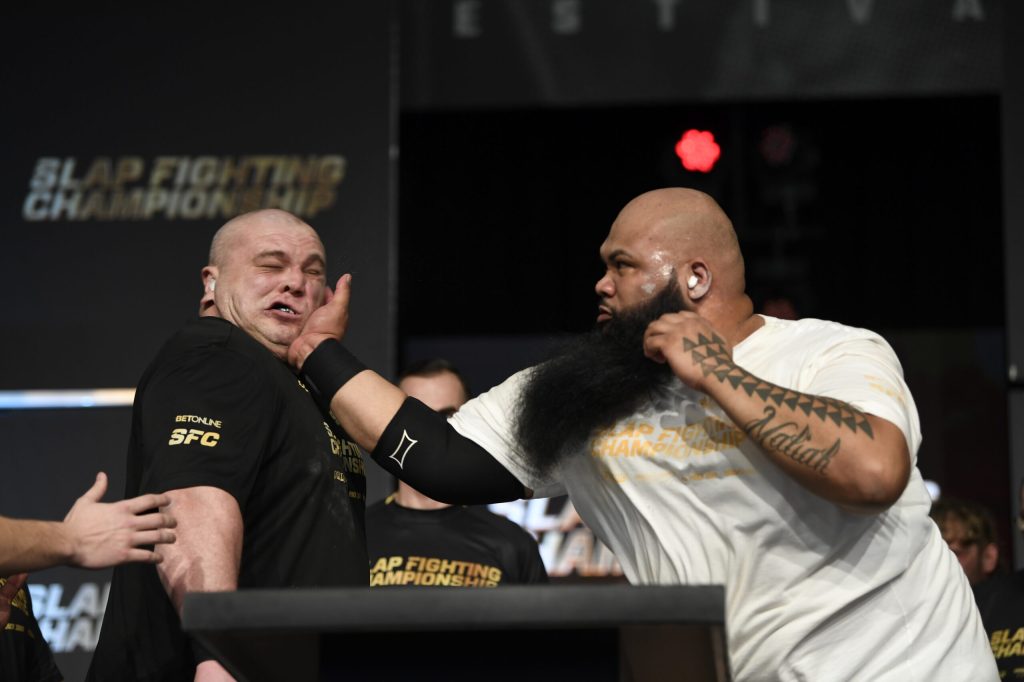
Why WWE Wants Nothing to Do With Power Slap Wrestlers
About
I’ve spent two decades at the intersection of professional wrestling and social psychology. From the SoCal indie scene to analyzing the systems that keep us divided, I focus on the “why” behind the “what.” This is the archive of a curious mind—one part storyteller, one part strategist, and currently documenting the grind of modern life.
 CharlesRamosOfficial.com
Leave a comment