The Powerball jackpot is skyrocketing again. Nobody’s hit it in months, and now everyone’s buzzing about record-breaking numbers. The same goes for Mega Millions, Super Lotto, and all the other big games. When the jackpots reach crazy heights, people start asking the big question: Is there a way to actually win the lottery more than once—or even consistently? Believe it or not, some people have pulled it off. A handful of repeat winners have taken home multiple jackpots, sometimes worth millions, and even written books or done interviews about how they did it. But is it really about a clever strategy? Or is it just dumb luck combined with persistence?
Let’s take a deep dive into the stories of real multi-time winners, the so-called “strategies” they used, and what you can actually learn from them. Spoiler: the math is still stacked against you, but the stories are fascinating. When someone wins once, we call it luck. When they win twice, it’s shocking. But when someone wins four, seven, or even 14 times, it seems almost supernatural. Did they crack the code? Or are they just incredibly persistent?
The truth is usually somewhere in the middle. Repeat winners tend to share a few things in common: They play consistently over many years. They often reinvest their winnings into more tickets. They target a variety of games—not just the giant national lotteries. They stick to a system, even if it’s mostly psychological. But in the end, randomness rules the lottery. These stories don’t prove that strategies can guarantee success. Instead, they highlight how persistence, volume, and luck sometimes align.
Richard Lustig may be the most famous repeat lottery winner in America. Between 1993 and 2010, he claimed seven lottery prizes in Florida, totaling over $1 million. His wins came mostly from scratch-offs and smaller state games, not from Powerball or Mega Millions. Lustig built a persona around his success, writing a book called Learn How to Increase Your Chances of Winning the Lottery. In it, he promoted several strategies:
Play the same numbers every time. He believed consistency beat randomness.
Use a “wheeling system.” This meant buying tickets that covered multiple combinations of a larger set of numbers. Avoid quick picks. Lustig argued that hand-picking numbers gave players more control. Reinvest winnings. Rather than pocket small wins, he put them back into more tickets. Financial experts have criticized Lustig’s advice, saying that none of it changes the actual odds. While his story is real, it’s unclear whether he net profited after factoring in how much he spent chasing tickets. Still, Lustig shows the mindset of someone who treats the lottery less like a gamble and more like a lifelong hobby.
Joan R. Ginther is legendary in lottery circles. She won four major jackpots in Texas between 1993 and 2010, with total winnings of over $20 million. That includes a $10 million prize from a scratch-off ticket. Statisticians were baffled. The odds of winning so many times were estimated as one in 10^24—or basically impossible. Was it sheer luck? Was there some advantage? Ginther never revealed a system. Some speculated she used her background in statistics (she has a Ph.D. from Stanford) to improve her odds by analyzing payout patterns in Texas scratch-offs. Others think it was simply outrageous fortune. Whatever the truth, Ginther remains one of the most famous examples of lightning striking multiple times.
In the mid-1980s, Evelyn Adams of New Jersey defied the odds by winning the lottery two times within four months. In October 1985, she claimed $3.9 million, and in February 1986, she added another $1.4 million. Her “strategy” was simple: increase her ticket spending. She went from $25 a week to $100. While that certainly increased her chances, it also reflected risky behavior. Sadly, Adams later lost most of her winnings due to compulsive gambling and poor investments. Her story is often cited as a cautionary tale: winning is one thing, keeping the money is another.
A more recent example is David Serkin, a cancer survivor from Lethbridge, Alberta. He has won the lottery four times, including three jackpots in just nine months between August 2024 and May 2025. Altogether, his prizes total about $2.5 million. Serkin doesn’t claim to have a system. He’s been buying tickets since 1982, sometimes as a ritual, sometimes on a whim. His story reminds us that persistence and decades of play increase exposure to rare wins. For him, it seems to have all lined up at once.
If there’s anyone who actually used math to outsmart the lottery, it’s Stefan Mandel. A Romanian-Australian mathematician, Mandel reportedly won the lottery 14 times. But he didn’t rely on luck alone. Mandel used a technique called combinatorial condensation to narrow down sets of numbers. Later, he took things further with a strategy known as “buying the pot.” Here’s how it worked:
1. When a jackpot was big enough, Mandel calculated whether buying every possible ticket combination would guarantee a profit.
2. He organized investors to fund bulk purchases of tickets.
3. When one of those tickets inevitably won, the jackpot payout exceeded the cost of the tickets and produced a profit.
This approach was only possible in certain circumstances, like smaller lotteries with fewer number combinations. Eventually, lottery systems tightened rules to prevent anyone from repeating Mandel’s scheme.
After looking at these famous cases, a few lessons stand out:
1. Persistence matters. Almost all repeat winners played for years, often decades. Consistency gives randomness more chances to align in your favor.
2. Smaller games often pay off. Most repeat winners didn’t just target Powerball or Mega Millions. They won smaller state games and scratch-offs with better odds.
3. Money management is critical. Winning the lottery is one thing, but keeping the money is another. Evelyn Adams shows how quickly fortunes can disappear.
4. No strategy beats pure chance. With the exception of Stefan Mandel’s math-heavy scheme, every other story boils down to luck plus volume of play.
Apart from real winners, there are countless self-proclaimed gurus online who claim to have systems. Some recommend numerology, astrology, or visualization. Others claim you should avoid quick picks and always choose your own numbers. On forums like Reddit, people even share mystical techniques involving “shock visualization.”
While these methods might make playing more entertaining, none of them actually change the odds. The lottery is designed to be random. Believing too hard in a system can also be dangerous—it may lead people to overspend chasing wins that may never come.
For many players, the lottery isn’t just about winning money. It’s about hope, ritual, and the dream of a better life. That’s why people keep playing, even knowing the odds are slim.
Hope: The idea that a ticket could change your life keeps people coming back.
Ritual: Many players have “lucky numbers” or favorite stores where they always buy.
Community: Big jackpots create a buzz, getting everyone talking.
Repeat winners often play not just because they want money, but because the act of playing itself has become part of their lives.
Should You Try to Copy These Strategies?
If you’re tempted to follow in the footsteps of these winners, here are some grounded tips:
Set a strict budget. Only spend what you can afford to lose.
Focus on smaller games. State lotteries and scratch-offs have better odds than national jackpots.
Don’t expect miracles. Even with consistency, your chances remain tiny.
Celebrate small wins. If you reinvest winnings, treat it as entertainment, not investment.
Have fun. At the end of the day, the lottery should be entertainment, not a financial strategy.
The stories of Richard Lustig, Joan Ginther, Evelyn Adams, David Serkin, and Stefan Mandel show us that winning the lottery multiple times is possible—but not something you can count on. Most of these cases boil down to persistence, luck, and sometimes unique circumstances. While strategies like “wheeling” or bulk buying may sound appealing, the reality is that randomness still rules. The best takeaway is simple: if you play, play responsibly, enjoy the process, and never gamble more than you can afford to lose. Because in the end, whether you win once, multiple times, or not at all, the lottery is less about math—and more about hope.
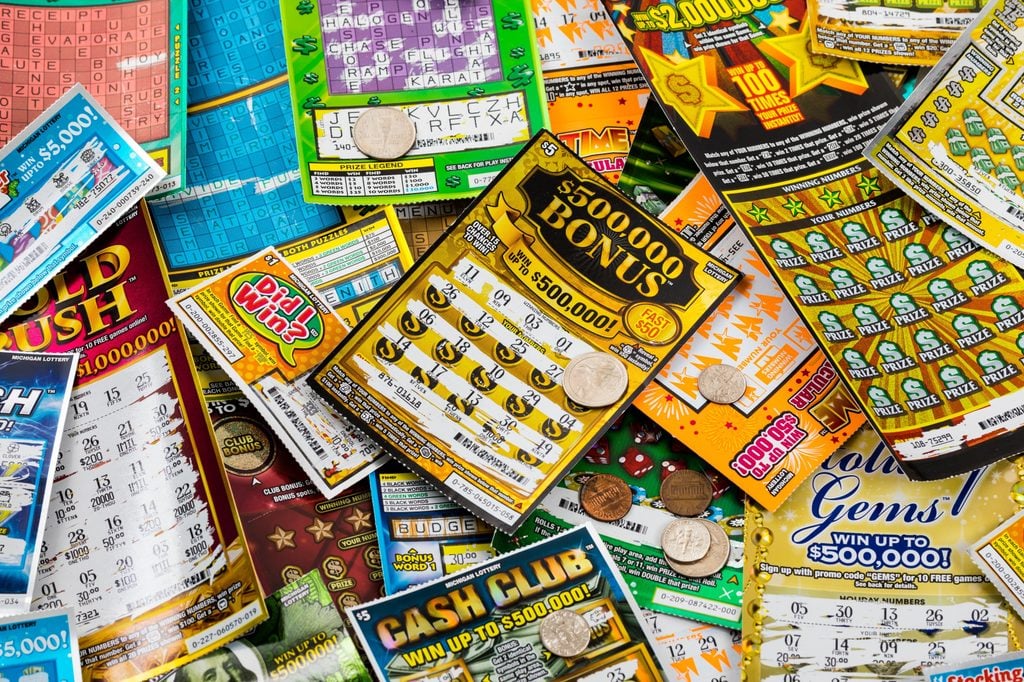
The Truth About Lottery Strategies: How Some People Win Multiple Times
About
I’ve spent two decades at the intersection of professional wrestling and social psychology. From the SoCal indie scene to analyzing the systems that keep us divided, I focus on the “why” behind the “what.” This is the archive of a curious mind—one part storyteller, one part strategist, and currently documenting the grind of modern life.
 CharlesRamosOfficial.com
Leave a comment