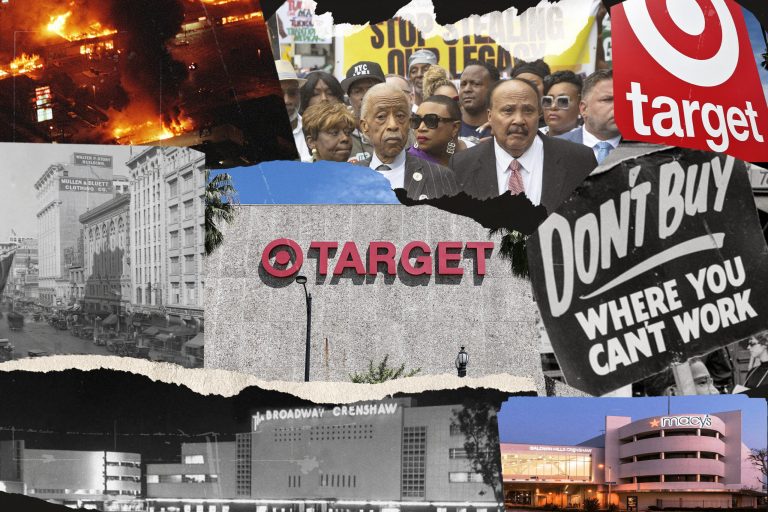
For years, Target tried to brand itself as the “inclusive” store. They had Pride sections, diversity hiring, and ads showing families of different backgrounds. I used to shop there a lot because I felt like they were at least trying to do the right thing.
But in the last couple of years, that image has completely fallen apart. Target has quietly walked back many of its diversity, equity, and inclusion (DEI) programs, caved to pressure from far-right groups, and donated money to politicians who are actively working against LGBTQ+ people, immigrants, and Black communities.
I want to explain why I stopped shopping there — not just for myself, but because the harm Target is causing affects all of us.
At one point, Target was ahead of many other big retailers when it came to promoting inclusion. They had Pride displays, released ads with same-sex couples, and even pledged to increase hiring for people of color after the George Floyd protests in 2020.
But now? They’ve rolled much of that back. After a loud boycott campaign from far-right groups in 2023, Target pulled Pride merchandise from many stores and told some designers their work wouldn’t be featured anymore. Reports also showed they cut back on DEI staffing and funding.
This wasn’t just about rainbow shirts or displays. DEI programs help ensure fair hiring, workplace safety, and representation for employees from marginalized groups. By backing away, Target sent a message: protecting profits mattered more than protecting people.
It’s not just about what Target isn’t doing. It’s about what they’re actually funding.
Target has donated to political action committees (PACs) and politicians who support laws that:
- Ban or restrict trans healthcare.
- Limit LGBTQ+ rights in schools and public spaces.
- Back ICE raids and harsher immigration policies.
- Push voter ID laws and oppose police reform, which especially hurts Black communities.
Think about that. The money you spend on groceries, clothes, or home goods at Target doesn’t just stay in Target’s bank account. Some of it goes straight into politics that actively harm people like my family, my friends, and maybe even you.
Let’s break it down clearly.
- LGBTQ+ Communities: Trans kids losing access to healthcare, bathroom bans, and censorship in schools.
- Hispanic and Immigrant Families: ICE raids tearing families apart, tougher restrictions on work and residency, and fear in immigrant communities.
- Black Americans: Voter suppression laws, lack of police accountability, and politicians refusing to address systemic racism.
Target’s donations and retreats from DEI don’t just affect one group. They affect many of us at once.
It’s easy for people to think:
- “Well, I’m not gay, so Pride doesn’t matter to me.”
- “I’m not an immigrant, so ICE raids don’t affect me.”
- “I’m not Black, so voting rights restrictions won’t touch me.”
But here’s the truth: if they can strip rights away from one group, they can strip them away from another.
- If they can take away healthcare rights from trans people, they can take away healthcare rights from anyone.
- If they normalize breaking up immigrant families, what’s stopping them from targeting others later?
- If they weaken voting rights for Black Americans, they weaken democracy for all Americans.
This isn’t about “their problem.” It’s about all of us being connected. When one group loses, eventually we all lose.
Let’s be real: no big corporation is perfect. But compared to Target, some other retailers are handling this much better.
- Costco has a reputation for treating its workers fairly, paying living wages, and not playing politics with its profits.
- Walmart, while far from flawless, has raised pay and invested in employee development. They also haven’t caved as dramatically to far-right pressure as Target has.
- Amazon still has worker issues, but they’ve consistently supported LGBTQ+ protections and haven’t gone out of their way to roll back DEI programs.
Target, on the other hand, tries to market itself as “progressive” while quietly funding anti-progressive politicians and pulling support the moment it gets uncomfortable. That hypocrisy stings the most.
Target thought caving to boycotts would help them. But instead, they’ve faced backlash from both sides.
- Progressive shoppers (like me) walked away because we felt betrayed.
- Far-right shoppers never truly came back, because they don’t actually want inclusion at all.
The result? Target has seen dips in sales, stock performance issues, and ongoing negative press. By trying to please everyone, they pleased no one.
It’s easy to think one person not shopping at Target doesn’t make a difference. But consumer pressure has already shown results. When enough people push back, corporations pay attention.
- After backlash in 2020, Target pledged billions for racial equity.
- After boycotts in 2023, they changed their Pride displays.
That means our dollars — or our choice to withhold them — matter. If more of us make the choice to stop supporting companies that harm our communities, they will eventually be forced to change.
I don’t shop at Target anymore because I can’t support a company that uses my money to harm my friends, family, and neighbors. This isn’t just about LGBTQ+ people. It’s about immigrants, Black Americans, Hispanic families, and really all of us who believe in fairness.
Every time you spend money, you’re making a choice about the world you want to live in. I’ve chosen to put my dollars somewhere else. Maybe if more of us make that choice, Target will finally realize that protecting profits at the expense of people is the wrong path forward.
 CharlesRamosOfficial.com
Leave a comment